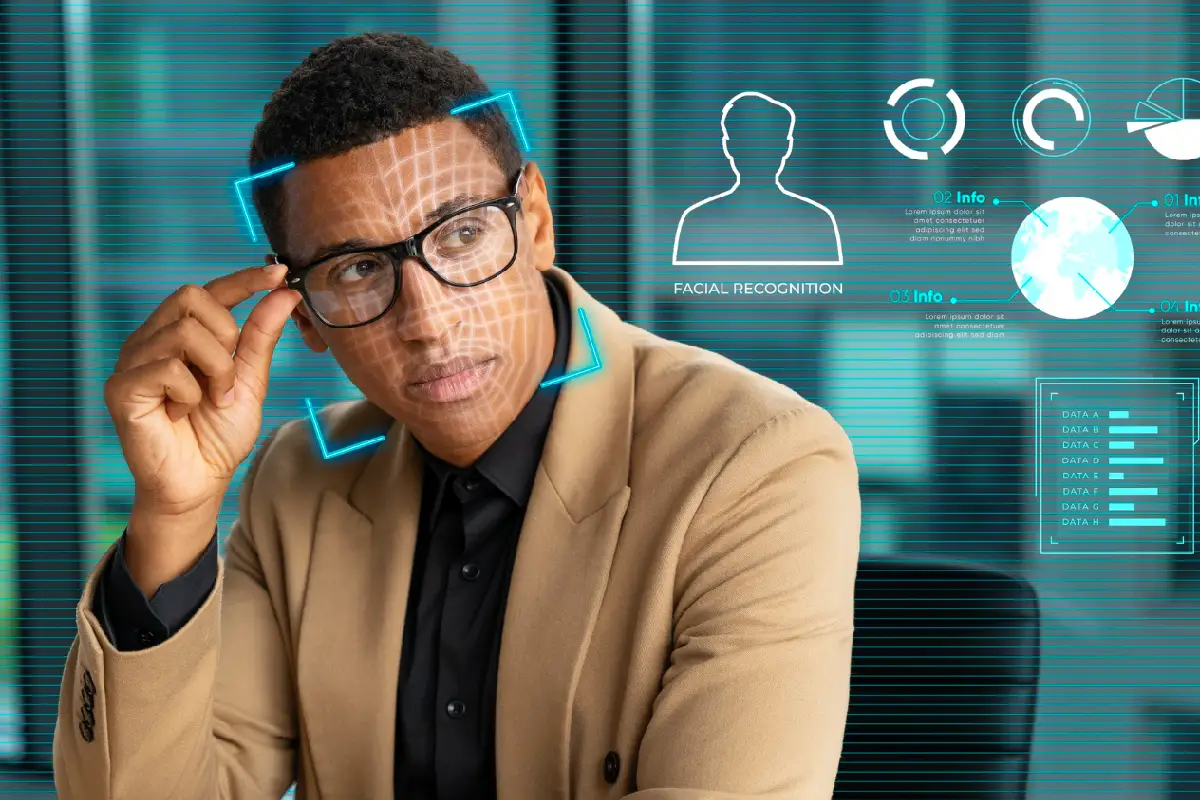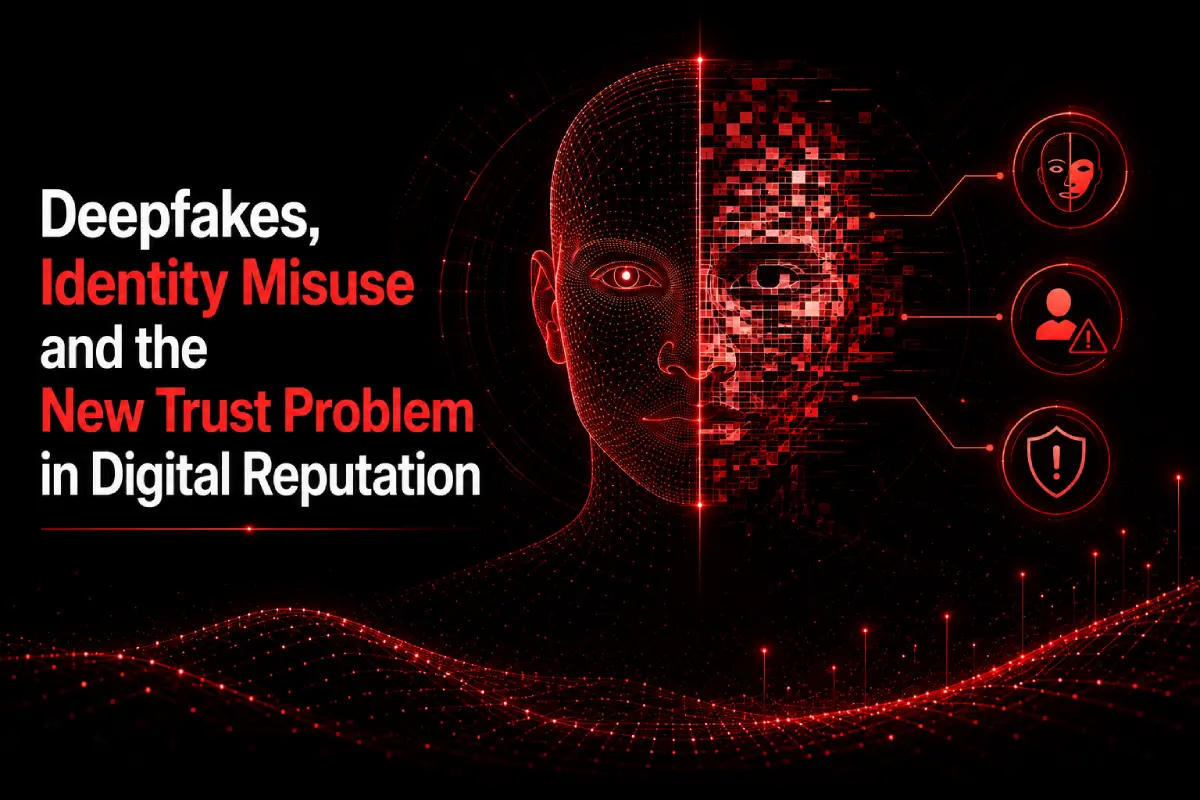
Deepfakes and identity misuse are no longer fringe internet problems. They are becoming part of the trust environment that shapes Digital Reputation.
When a public figure’s face is used in a fake endorsement, when a professional’s identity is impersonated in a scam, or when AI-generated content blurs the line between real and fake, the consequences go beyond cybersecurity. They affect how people, leaders, institutions and brands are perceived and trusted in the digital world.
That is why deepfakes and identity misuse are now Digital Reputation issues.
Digital Reputation is built on visibility, credibility, authority and trust. Trust is the most fragile of those four dimensions because it can be damaged even when the subject has done nothing wrong.
Deepfakes create a new layer of digital ambiguity. They can simulate endorsements, speeches, images, interviews or personal appearances in a way that looks credible enough to mislead audiences. Even when the deepfake is later exposed, the damage may already have been done.
Identity misuse takes many forms: fake social profiles, scam messages using a real person’s name, cloned executive identities, fake endorsements, manipulated videos and impersonation of institutional representatives. When these things happen, the harm is not only financial or legal. It can also distort public perception, weaken credibility and create confusion around who or what should be trusted.
In the AI era, Digital Reputation and digital trust are converging. The more identity can be manipulated, the more trust becomes central to how reputation is built, defended and understood.
Final thought: Digital Reputation can no longer be treated as a simple question of what appears online. It is also a question of what can be trusted, what can be verified and how resilient a digital identity really is.